Ad clicks don't become purchases.
The product gets attention online, then loses trust when the pack looks average, unclear, or low-value.
You improved the formula. You improved the quality. You improved the offer. But customers still scroll past, walk past, and choose someone else — because buying starts before anyone tries the product.
No pitch. No pressure. Just a clear breakdown of what's hurting attention, trust, and conversion.
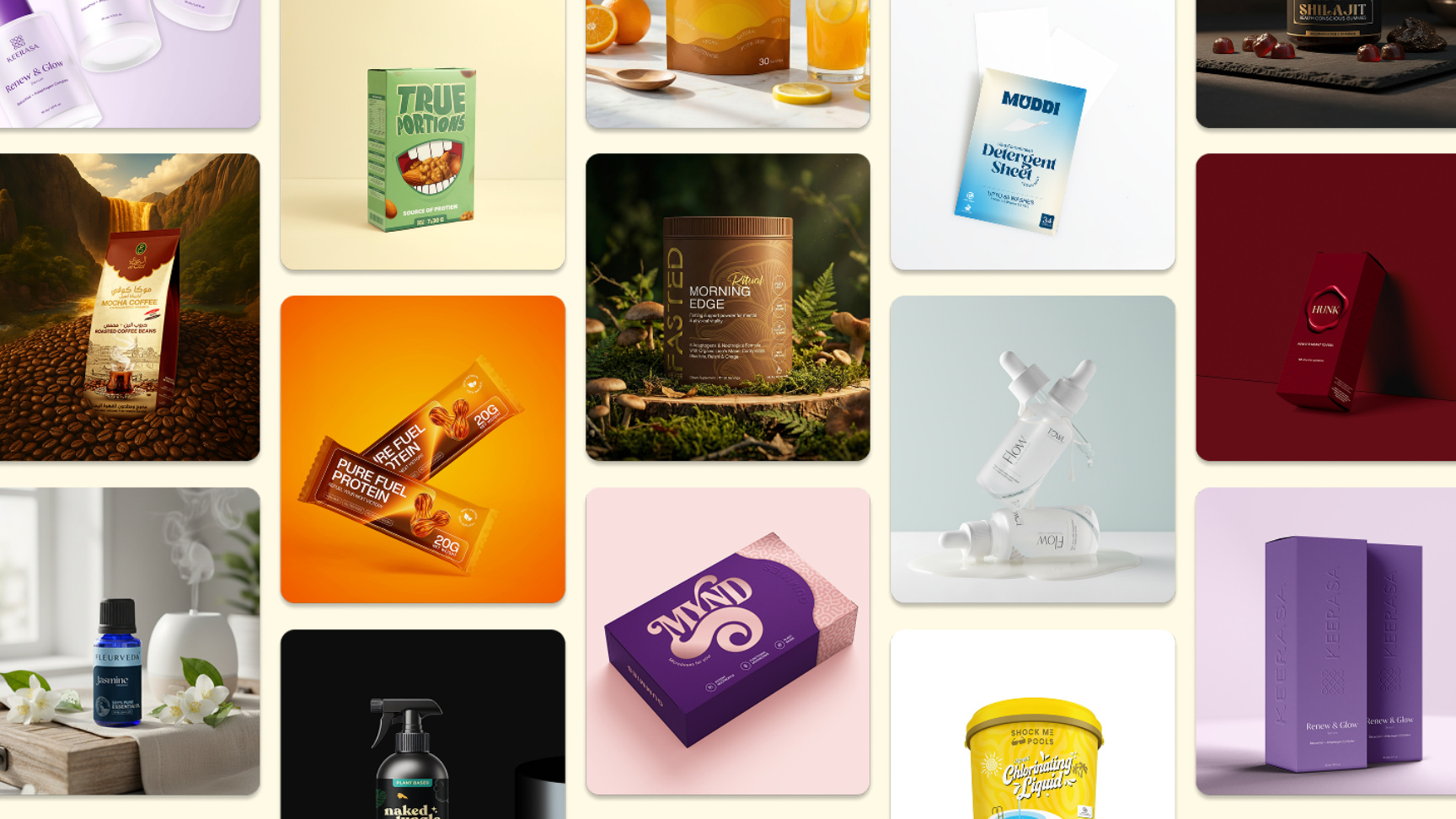
Most brands blame ads, pricing, or traffic. So they spend more money pushing people toward packaging that was never designed to make a stranger stop, understand, trust, and buy.
The product gets attention online, then loses trust when the pack looks average, unclear, or low-value.
If the front panel doesn't explain value fast, your buyer starts thinking instead of buying.
A good product can still look invisible beside louder, sharper, better-positioned competitors.
When the pack doesn't signal premium value, customers push you into discount territory.
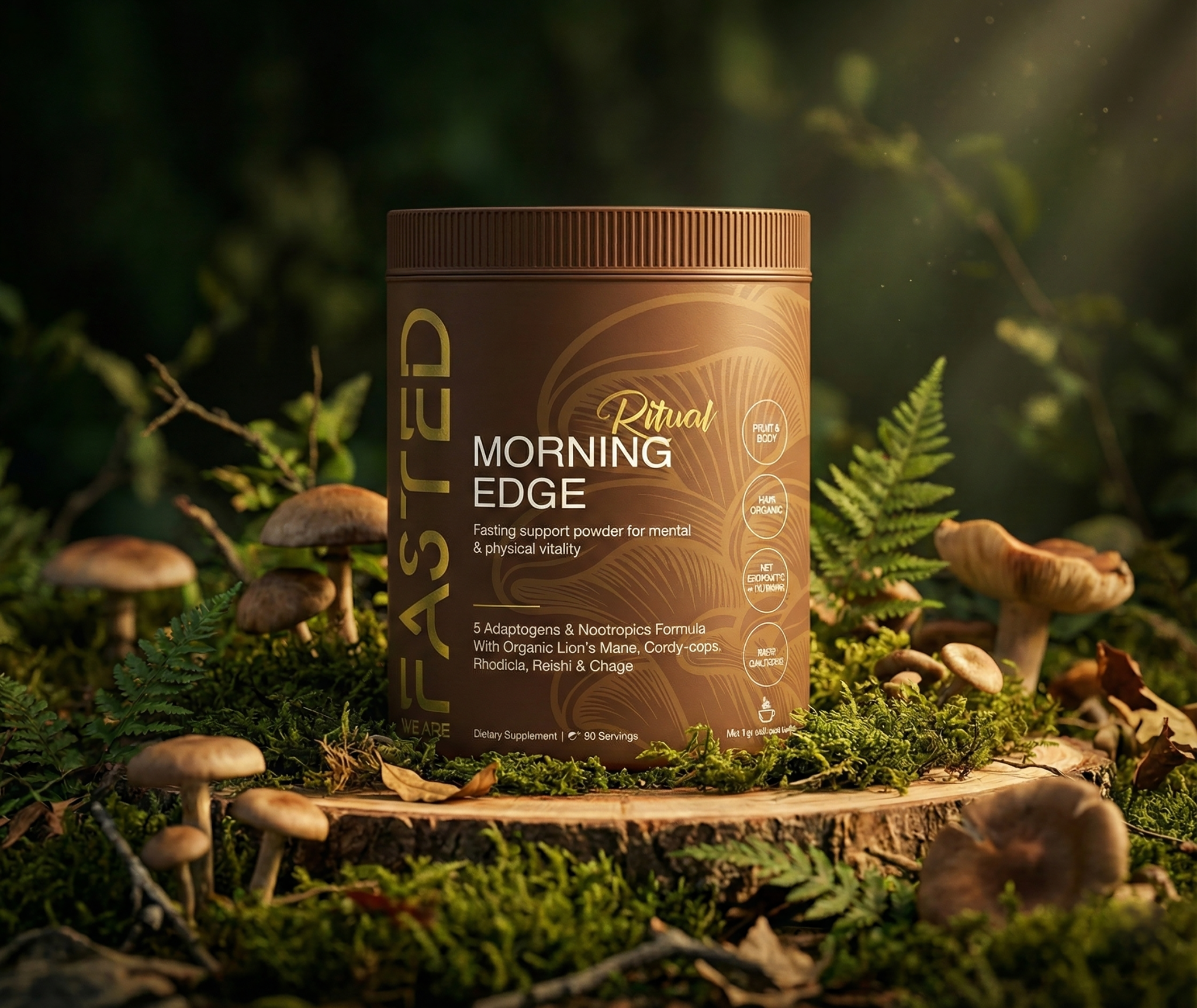
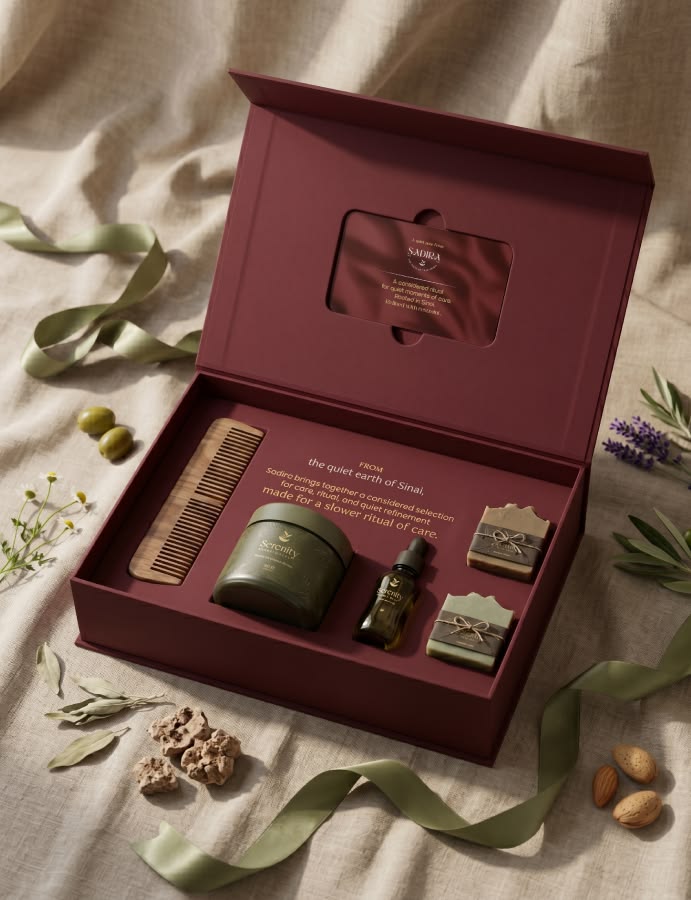
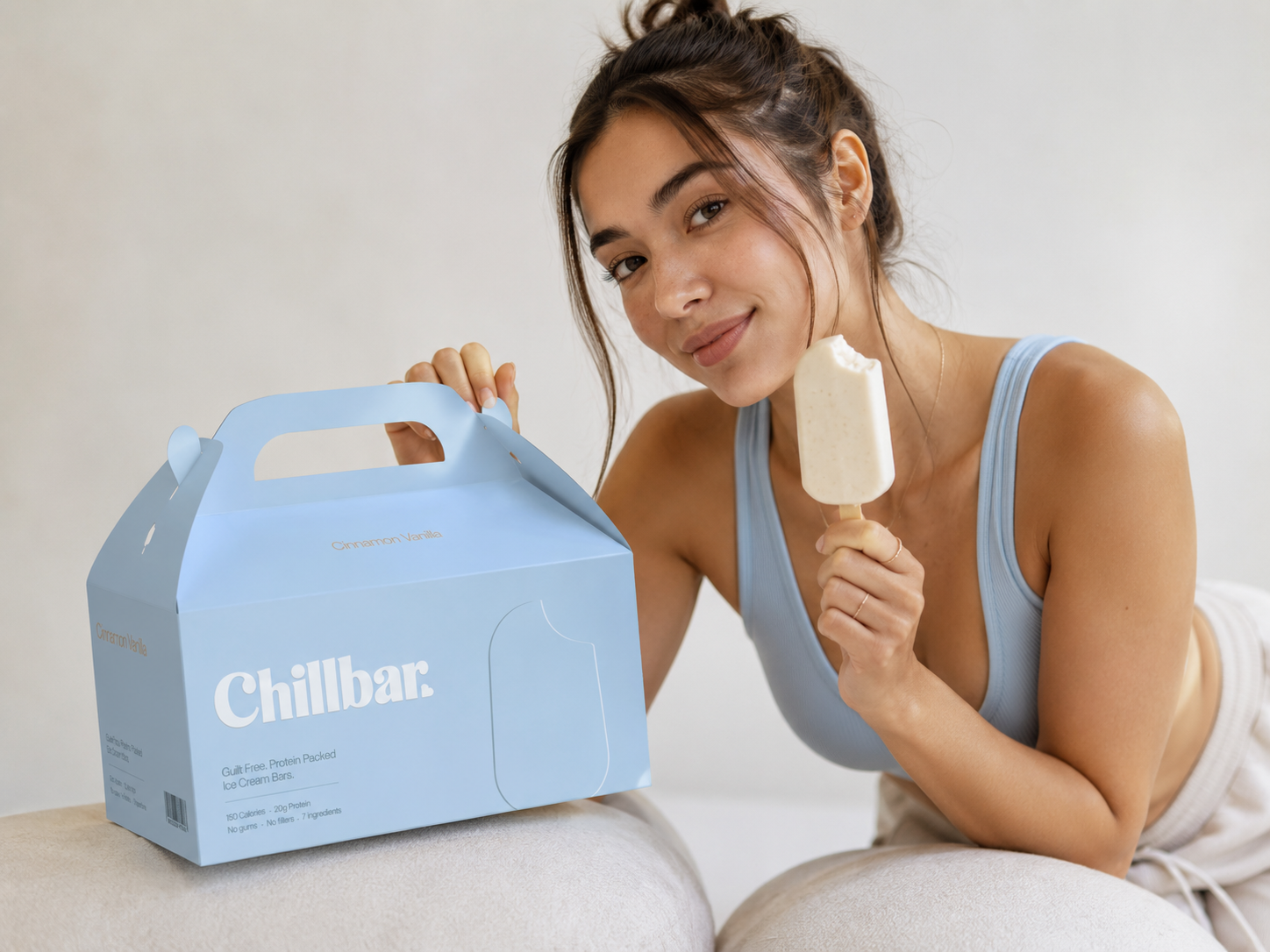
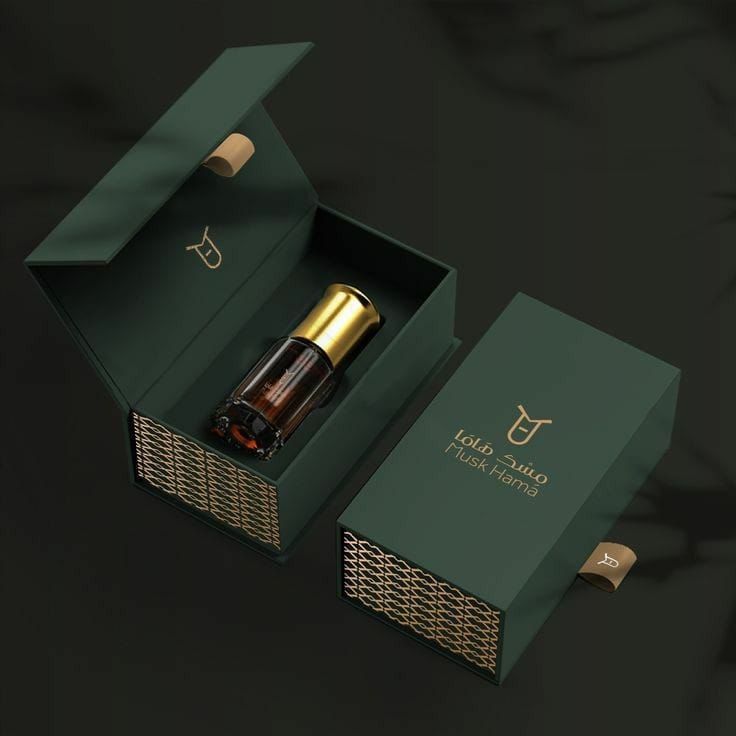
Your pack has a tiny window to say: “this is for me, this feels credible, and this is worth paying for.”
of purchase decisions can happen at the point of sale.
to create a first impression and win attention.
of consumers may try a product because of packaging.
It looks polished, but it doesn't create a reason to stop, care, or choose.
Trendy layouts age fast and disappear when every competitor follows the same moodboard.
The design speaks to aesthetics, not the doubts and desires that drive purchase decisions.
A pack can look great alone and still completely vanish beside real competitors.
Create a visual signal strong enough to interrupt scrolling and shelf scanning.
Clarify positioning, benefits, and trust cues so the buyer understands fast.
Build perceived value so choosing your product feels obvious and safer.
That's where money is won or lost. Your packaging should answer the buyer's silent questions before they leave: What is it? Why is it better? Can I trust it? Is it worth the price?
Show me what my pack is missing →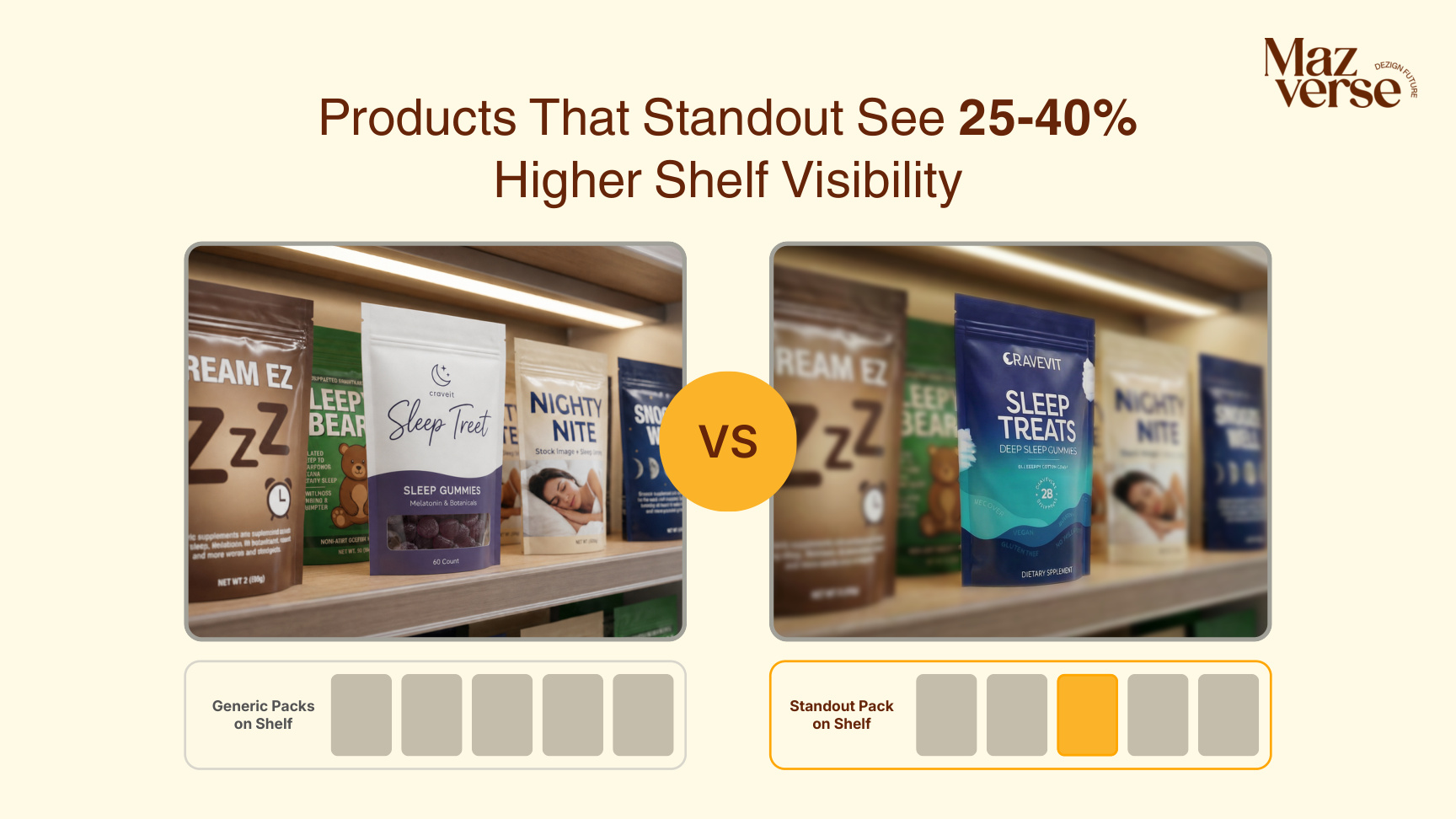
When the visual hierarchy, claims, colors, product cues, and trust signals work together, the product feels easier to understand and easier to choose.
Before spending more on ads, discounts, influencers, or agencies — find out if your packaging is the bottleneck.